
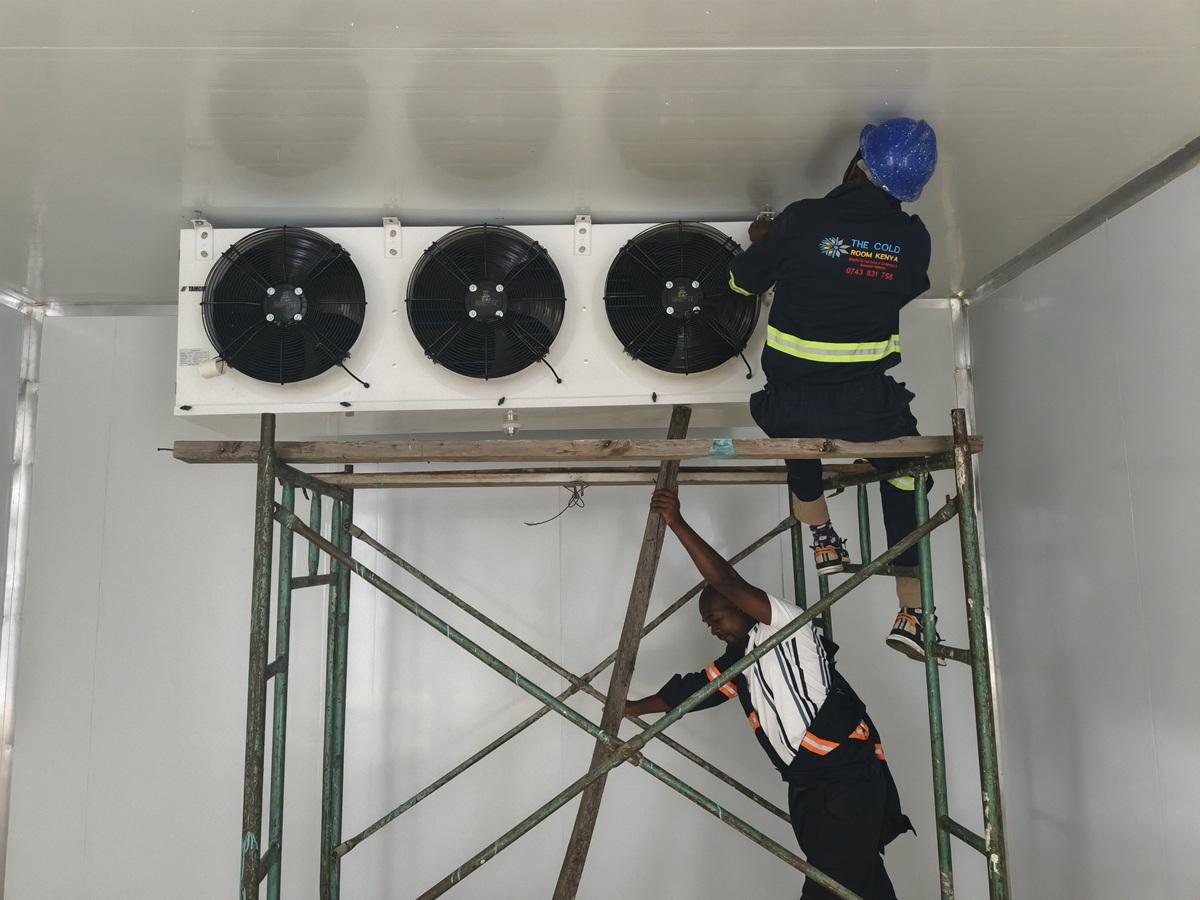
Cold room installation in Kenya
We are Cold Room Installation, the leading company in Kenya for supplying and installing a wide range of cold rooms, including walk-in fridges, walk-in freezers, blast freezers and maturing cold rooms.
We specialize in the supply and installation of high-quality cold rooms for commercial and industrial use. In this write-up, we will discuss our cold room installation services, including the benefits and components of our cold rooms.
Key Components of Cold Room installation
Cold room installation Insulation Material
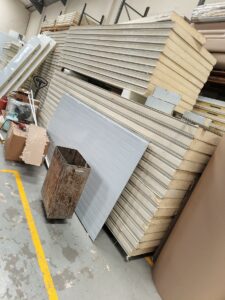
- Polyurethane Foam (PUF): Known for its excellent thermal insulation properties, PUF is
0-3048×4064-0-0-{}-0-12#
lightweight, has a high R-value, and reduces energy costs by minimizing heat transfer.
- Polystyrene: Available in extruded (XPS) and expanded (EPS) forms. XPS has higher compressive strength, while EPS is cost-effective and provides good insulation when combined with other materials.
Cold Room Flooring and Ventilation
- Insulated Flooring: Floors must prevent thermal bridging and withstand heavy loads. Materials like concrete with insulating layers or insulated floor panels are common.
- Vapour Barriers and Ventilation: Essential for preventing moisture infiltration and condensation, vapour barriers should be installed correctly. Proper ventilation is also crucial to manage air quality and humidity levels within the cold room.
Panels and Doors
- Insulated Panels: Prefabricated insulated sandwich panels are commonly used. They consist of an insulating core material (often PUF or polystyrene) sandwiched between metal or plastic sheets, ensuring structural integrity and thermal efficiency.
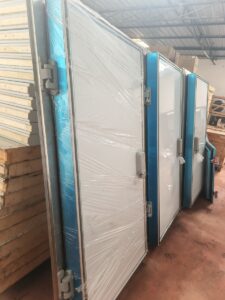
- Doors: Cold room doors must balance accessibility and insulation. To prevent air leakage, hinged and sliding doors with robust sealing gaskets are preferred.
Cold room Refrigeration Systems
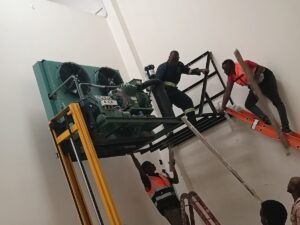
- Compressors: Vital for maintaining low temperatures, compressors should be energy-efficient and appropriately sized for the room’s volume.
0-4064×3048-0-0-{}-0-12#
- Evaporators and Condensers: These components help manage temperature consistency. High-efficiency evaporators and condensers with low energy consumption are essential.
- Defrosting Mechanisms: Regular defrosting prevents ice build-up and ensures the refrigeration system operates efficiently. Options include electric, hot gas, and water defrost systems.
A cold room is an insulated space designed for storing perishable goods at controlled low temperatures. Utilized predominantly in the food industry, pharmaceuticals, and other sectors requiring precise temperature control, proper construction of a cold room is crucial for maintaining energy efficiency and product quality. Several factors influence the construction process, including material selection, insulation, and refrigeration systems
Characteristics of Ideal Materials for Cold Room Installation in Kenya
Choosing the right materials for cold room installation is critical to maintaining energy efficiency and ensuring optimal performance. The following are key characteristics to consider when selecting materials:
-
Thermal Insulation:
- Materials with high thermal resistance (R-value) are paramount. They help in minimising heat transfer and maintaining the desired temperature consistently.
- Commonly used insulating materials include polyurethane foam, polystyrene, and expanded polystyrene (EPS). These substances provide excellent thermal insulation properties.
-
Durability and Strength:
- Durability is essential to withstand harsh conditions and mechanical impacts. Materials must be resistant to wear and tear.
- Steel panels, often galvanised or stainless steel, are frequently used because of their durability and strength. These materials are also corrosion-resistant.
-
Ease of Cleaning and Hygiene:
- Cold room materials must support easy cleaning and sanitisation to comply with health and safety standards.
- Smooth surfaces, like those provided by certain composites and high-quality metals, are preferable for reducing bacterial build-up.
-
Air Tightness:
- Minimising air infiltration is vital to energy efficiency. Materials should enable the construction of air-tight seals around doors, windows, and joints.
0-3048×4064-0-0-{}-0-12#
- Silicone sealants and EPDM rubber gaskets are typically in use to ensure excellent air tightness.
- Minimising air infiltration is vital to energy efficiency. Materials should enable the construction of air-tight seals around doors, windows, and joints.
-
Fire Resistance:
- Fire-resistant materials are critical for safety. Materials should ideally have a fire retardancy rating to safeguard against potential fires.
- Rock wool and fibreglass are often in use because of their fire resistance properties.
-
Cost-Effectiveness:
- Balance between cost and performance is essential. While upfront costs are a consideration, long-term savings due to energy efficiency and reduced maintenance should be factored in.
- Materials like polyurethane foam, although slightly more expensive initially, provide substantial savings over time due to their superior insulating properties.
Advanced Cooling Techniques in Cold room installation services
- Evaporative Cooling: Utilises the principles of evaporation to cool air naturally, reducing refrigeration load.
- Geothermal Cooling: Leverages the stable temperatures of the earth to assist in cooling, requiring less energy for temperature regulation.
- Solar-Assisted Cooling: Integrates solar power to drive cooling systems, substantially lowering conventional energy demand.
