

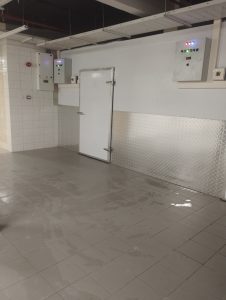
 Cold Room sale and Installation in Kenya
We are a Cold Room Installation company, the leading company in Kenya for supplying and installing a wide range of cold rooms, including walk-in fridges, walk-in freezers. We offer a variety of services, including, cold room sale and installation, design and building of cold room, chillers, container units, data loggers, humidifiers, dehumidifiers and more.
The 3 Key Factors to Consider When Purchasing a cold Room.
Your cold room must maintain a consistent temperature without breakdowns to ensure product quality. Reliable operation protects the high value of stored goods, often more valuable than the cold room itself. Stability is key to preserving product quality and profits.
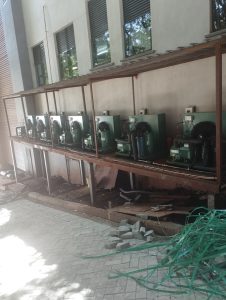 2nd Cost-Effective and Energy-Efficient Solutions
Our cold storage equipment offers affordable pricing with reliable quality. Designed for energy efficiency and tailored to your usage needs, our systems help reduce operational costs, ensuring quicker return on your investment.
What Affects Cold Room sale and Installation in Kenya
- Size and volume — a small café-sized unit and a 3PL warehouse freezer aren’t remotely comparable projects.
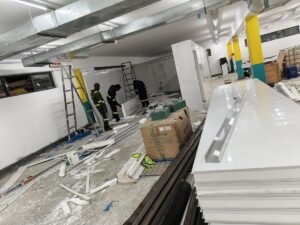
- Panel thickness and insulation rating — 120mm freezer-grade panels cost more than 100mm chiller-grade ones, and blast freezer panels (150mm–200mm) more again.
0-4064×3048-0-0-{}-0-12#
- Refrigeration capacity — desert-rated compressors and oversized condensers, built for 48–50°C ambient conditions, cost more than catalogue equipment but avoid the compressor failures that under-specified systems run into in UAE summers.
- Flooring and structural work — reinforced, forklift-rated flooring and frost heave protection add cost for larger installations.
- Doors and access — insulated glass display doors, air curtains, and multi-door configurations all affect the final price.
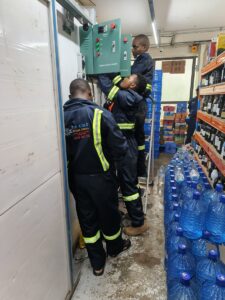
- Digital monitoring and controls — HACCP-compliant data logging and alarm systems are now a standard line item, not an optional extra.
Cold Room sale and Installation requirements in Kenya
Insulation panel thickness. Chiller rooms holding produce or dairy at 0°C to +5°C generally use 60mm to 100mm PUF or PIR panels. Freezer rooms need considerably more: 120mm to 150mm is standard for a commercial walk-in freezer, and blast freezers running at −35°C to −40°C typically require 150mm to 200mm panels. Installing a freezer with chiller panels is one of the more common and costly mistakes in this market — it leaves the compressor running almost continuously against heat infiltration it was never sized to handle, which shows up as condensation on the walls, ice buildup on the evaporator, and early equipment failure.
0-3048×4064-0-0-{}-0-12#
Refrigeration sizing for local ambient conditions. Refrigeration equipment built to international standard ambient ratings (32°C–35°C) is routinely under-specified for cold room sale When outdoor and rooftop temperatures climb into the high 40s, an under-rated condenser simply loses the capacity to reject heat, and the whole refrigeration cycle can collapse right when it’s needed most. Equipment for a UAE freezer room needs to be desert-rated — oversized condenser coils and compressors built for 48°C to 50°C ambient conditions, not catalogue specs pulled from a cooler climate.
Defrost systems. A freezer sits below the freezing point of water, so every time the door opens, moisture in the air coming in has nowhere to go but the evaporator coil, where it turns to frost. Left alone, that frost builds up and starts choking airflow. There are two ways to deal with it. Electric defrost runs resistance heating elements on a timer to melt it off periodically. Hot gas defrost does the job differently — it reverses the refrigerant flow so hot gas comes back through the coil and melts the frost from the inside out. It’s the faster of the two, and generally the more energy-efficient one as well.
