
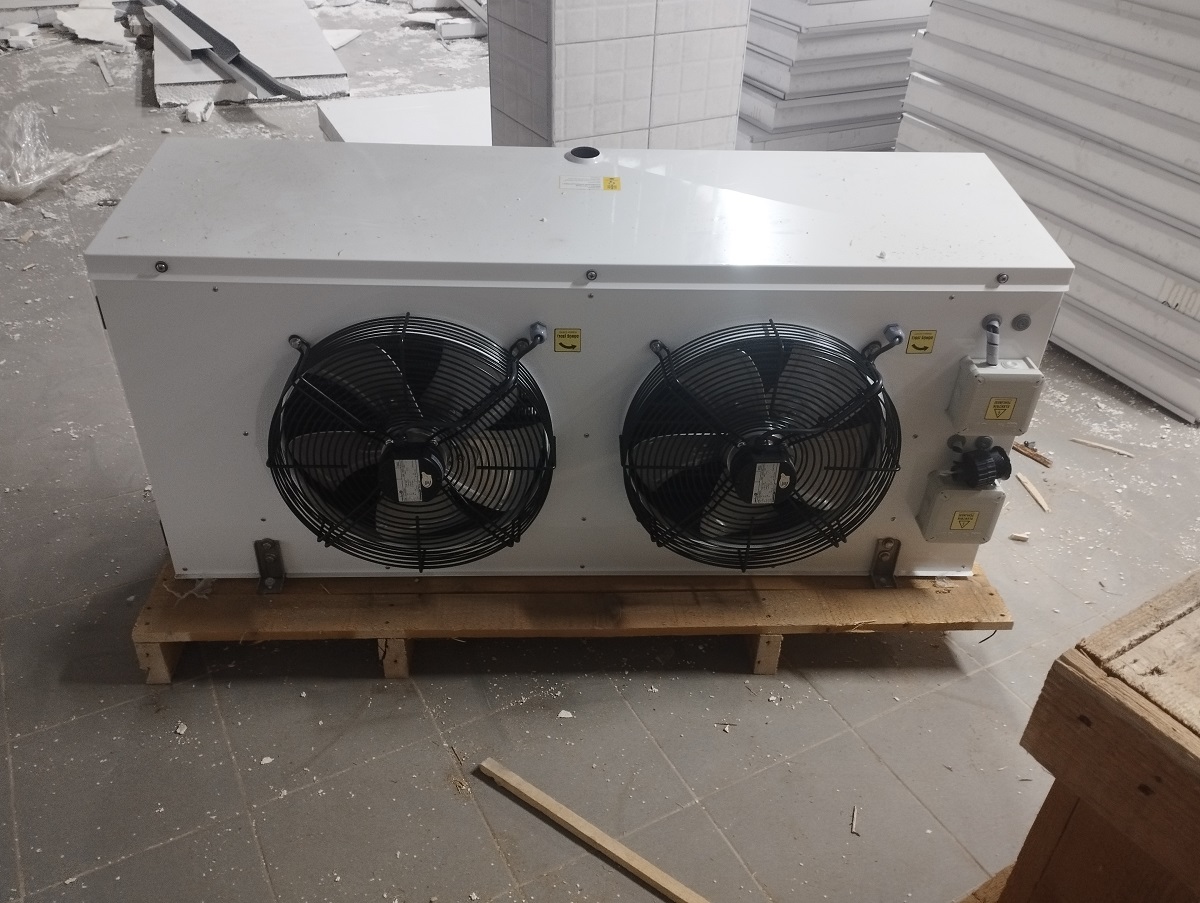
Types of Cold Rooms in Kenya
Types of Cold Rooms Available in Kenya · Modular Cold Rooms · Industrial Cold Rooms · Walk-In Cold Rooms · Walk-In Freezers · Pharmaceutical Storage. We are a leading cold room installation company in Nairobi, Kenya, offering top-notch services at affordable rates.
Chapter 1: What is a Cold Room?
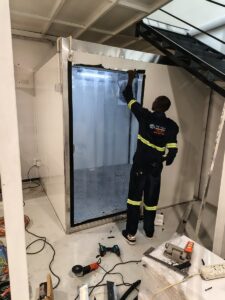
A cold room is a climate-control space meant to maintain specific temperatures through refrigeration.
0-3048×4064-0-0-{}-0-12#
This enables the storage, experimentation, and preservation of food, equipment, and medical supplies. Cold rooms are categorized based on their temperature ranges and sizes, ranging from small walk-in units to large warehouse-sized facilities.
Chapter 2: How are Cold Rooms in Kenya classified by temperature and size?
Cold Rooms in Kenya rely on refrigeration systems to maintain specific climatic conditions necessary for preserving products and supporting various manufacturing processes.
They are crucial in industries which require extremely low temperatures . When selecting a cold room, considerations include its function, size, and temperature range, all of which influence the decision-making process.
Temperature Range
Cold rooms are in various categories. This is based on their temperature ranges: storage rooms, freezing rooms, deep freezing tunnels, and blast chillers.
Positive Temperature Cold Rooms in Kenya
Positive temperature cold rooms operate within a temperature range of 0°C to 18°C (32°F to 64.4°F). They are ideal for preservation of the quality of fruits, vegetables, and medical samples such as tissue and medicines.
These cold rooms ensure a stable environment for storing fresh food in bulk. This is by maintaining a constant temperature and low humidity through effective insulating materials
Negative Temperature Cold Rooms in Kenya
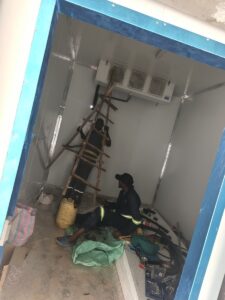
Negative temperature cold rooms operate within a temperature range of 0°C to -28°C (32°F to -18.4°F).
0-3048×4064-0-0-{}-0-12#
Achieving and maintaining these low temperatures requires high-quality insulation to minimize electricity usage and reduce the number of openings.
These cold rooms are commonly i use for freezing and storing food, vaccines, and organic materials.
Deep Freezing Tunnel Cold Rooms in Kenya
Deep freezing tunnels operate at temperatures ranging from -30°C to -40°C (-22°F to -40°F). These tunnels use automatic displacement systems and cold air currents to freeze items as they pass through the tunnel.
In order to rapidly freeze products, deep freezing tunnels consist of a seal chamber through which food moves on a conveyor belt while being in presence of cold air that quickly freezes it.
Temperature Blast Chillers Cold Rooms in Kenya
Temperature blast chillers are in use to rapidly cool food products to safeguard them from bacterial growth, which can accelerate between 8°C and 68°C (46°F and 154°F).
Similar to deep freezing tunnels, blast chillers use a high-speed circulation of cold air to quickly lower the temperature of the food products.
Blast Freezers and Their Role in Food Preservation
The core function of a blast freezer is to bring down the temperature of foodstuffs so quickly that the ice crystals formed are very small. This is important because large ice crystals that can form during slower freezing processes damage the cellular structure of the food, leading to a decline in quality and consistency.
- Blast freezers are often in use in the seafood and meat industries where freshness is paramount. Fish, for instance, must be frozen quickly to preserve its texture and taste.
- They are also essential for the ice cream industry, where achieving the correct type of crystallization is critical for texture.
Blast freezing often serves as a preliminary step before storage in traditional freezers or before transportation.
Ultra-Low Temperature Freezers for Sensitive Applications
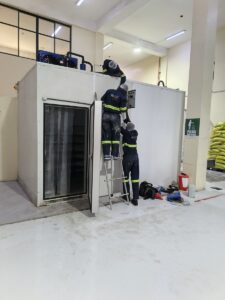
Ultra-low temperature (ULT) freezers are critical for storing biological samples such as viruses, bacteria, cells, and tissue, which require precise and consistent temperatures to remain viable. These freezers typically operate in a range between -40°C to -86°C. Laboratories, hospitals, and research facilities utilise ULT freezers for long-term preservation of critical biological samples where higher temperatures could trigger degradation.
0-3048×4064-0-0-{}-0-12#
- Biomedical Research: For the safe storage of biological specimens, ULT freezers are indispensable in biomedical research. They provide the stability needed for the accurate comparison of samples over extended periods.
- Pharmaceuticals: Many pharmaceutical products, especially biologic drugs and vaccines, require a stringent temperature controlled environment which ULT freezers can provide.
- Genetic Material: Genetic research labs entrust ULT freezers with the storage of DNA and RNA samples, where even minor temperature fluctuations can compromise sample integrity.
- Epidemiology: In the study of epidemics, it is crucial to maintain the viruses at stable low temperatures to prevent mutation or degradation for ongoing and future studies.
Transport Refrigeration Units: Cold Storage on the Move
Transport refrigeration units (TRUs) are critical in maintaining the cold chain during the transit of perishable goods. in order to control the temperature of sensitive products, TRUs are used in a variety of vehicles, including trucks, shipping containers, and railroad cars.
- Trucks: TRUs outfitted on trucks provide flexibility for the distribution of goods across regional and national distances. They vary in size from small van-sized units for local deliveries to large trailers for cross-country hauls.
- Shipping Containers: Refer containers, or reefers, are equipped with TRUs, allowing for perishable items to move across oceans without spoilage.
- Railroad Cars: Railcars with TRUs are an efficient means to move large quantities of temperature-sensitive goods over land, especially when time is not the primary concern.
